BLUSHLAND
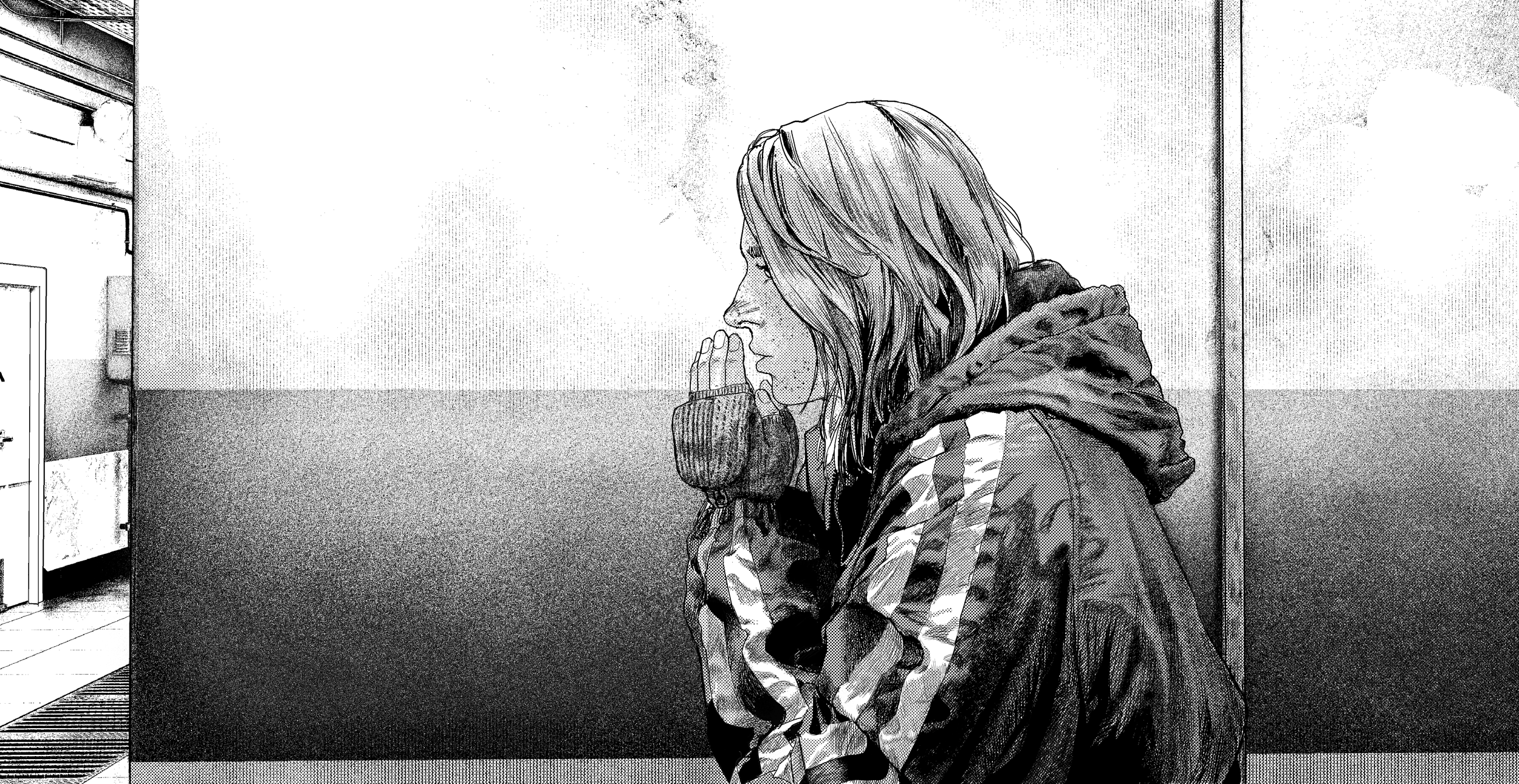
Blushland is an original graphic novel I wrote and developed around a remote, government-backed mining frontier where industrial expansion, corporate violence, and dying folklore collide. Its aesthetic combines 1980s–90s military and industrial realism, frozen steppe landscapes, toxic pink mining scars, and imagery drawn from Mongolian and Gobi folklore. I serve as the project’s writer, storyboard artist, concept designer, illustrator, and researcher, directing its development from worldbuilding through final pages. I also hired and lead a paid team of 3D artists, technical advisors, and 2D assistants, using a 3D-assisted production pipeline to maintain visual continuity across characters, equipment, environments, and complex scenes.
Role: Art director/Writer/Illustrator
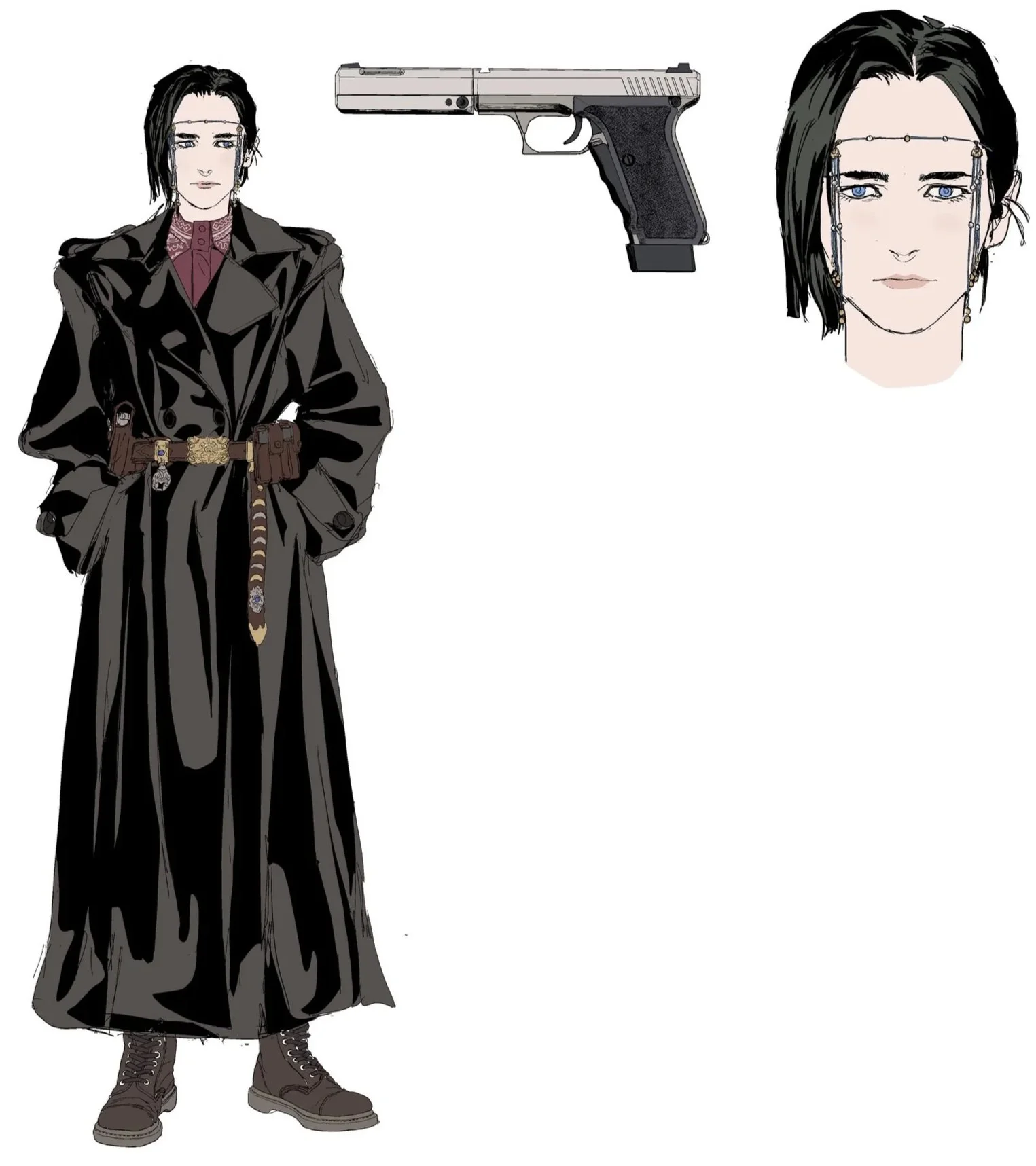
Concept Art Samples
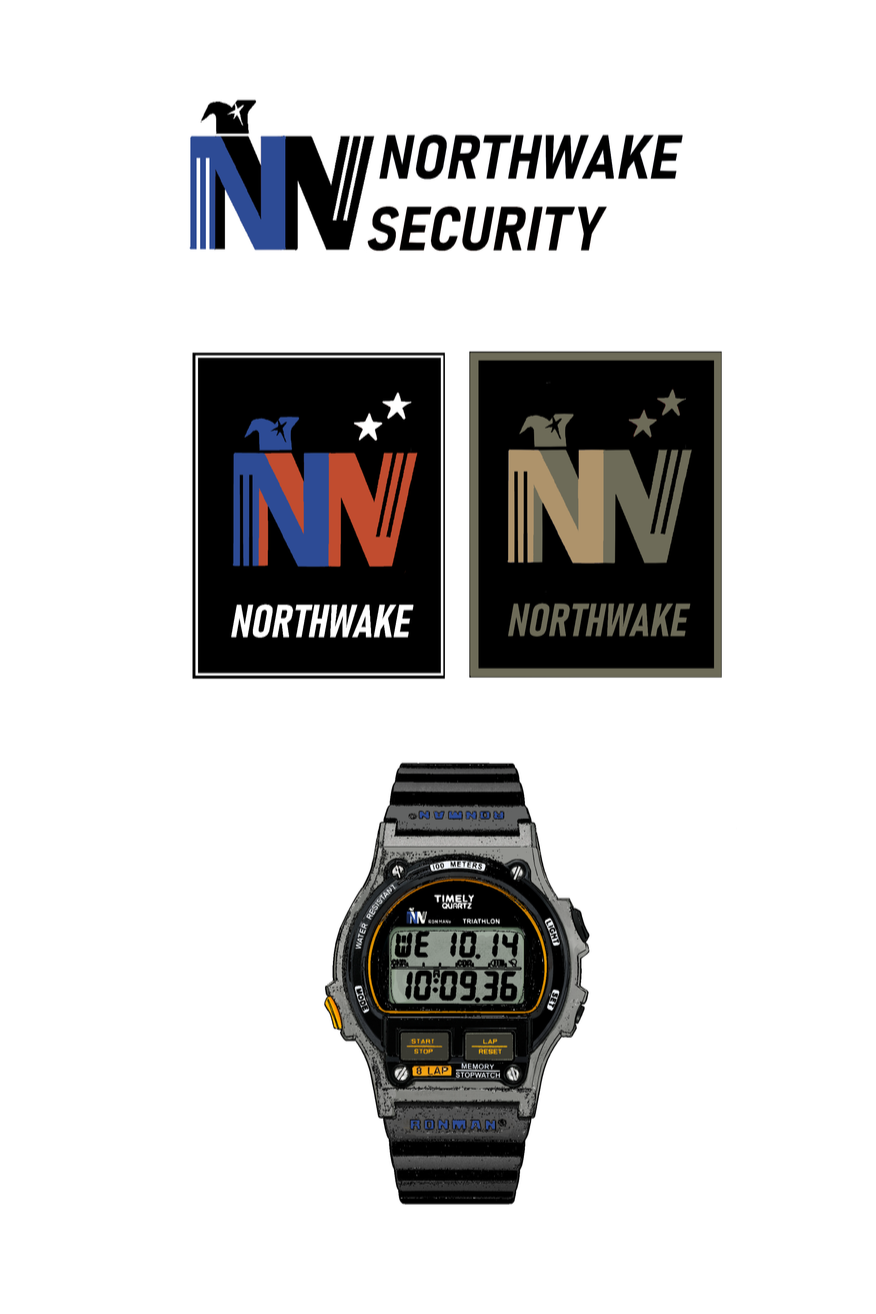
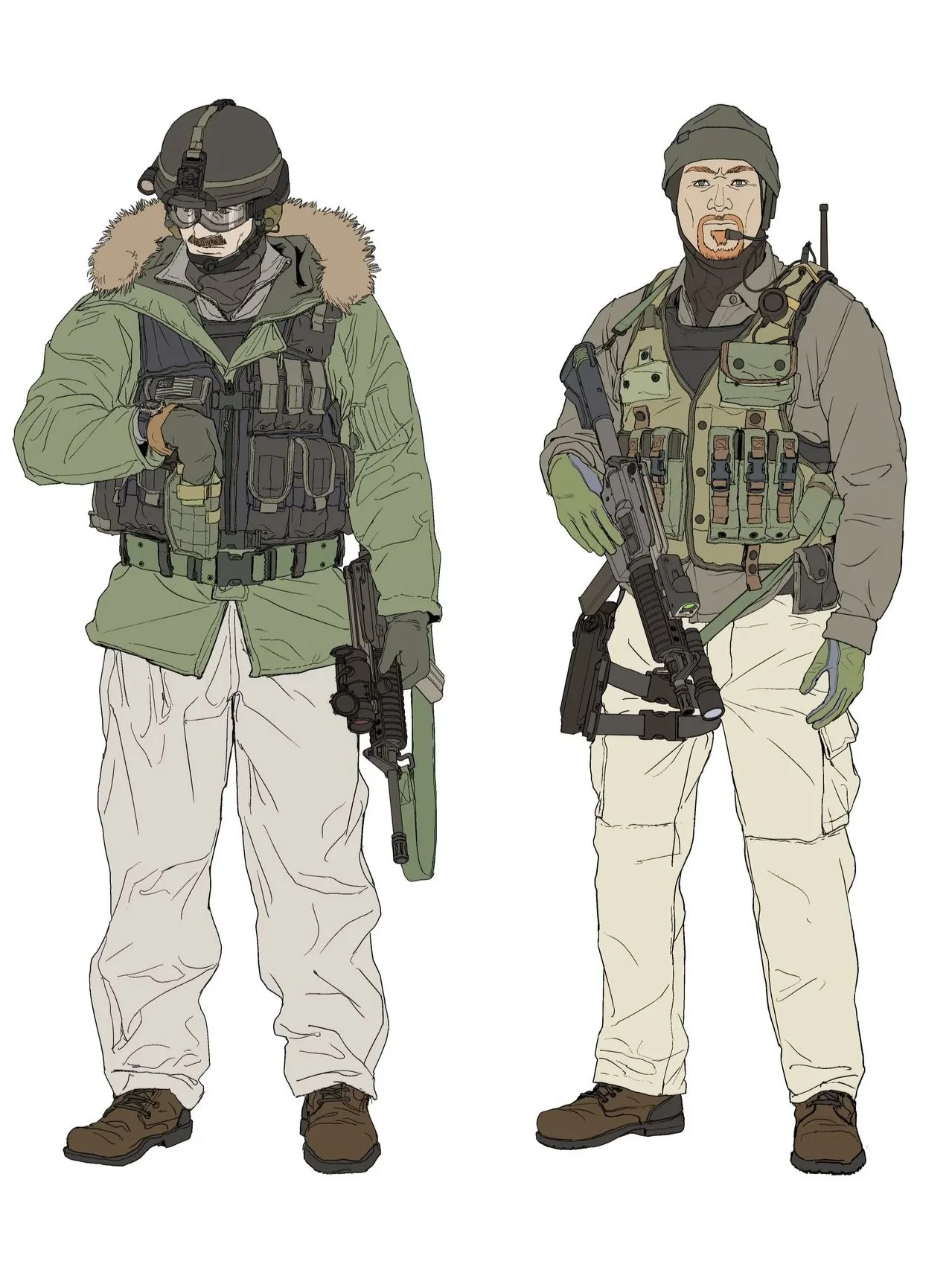
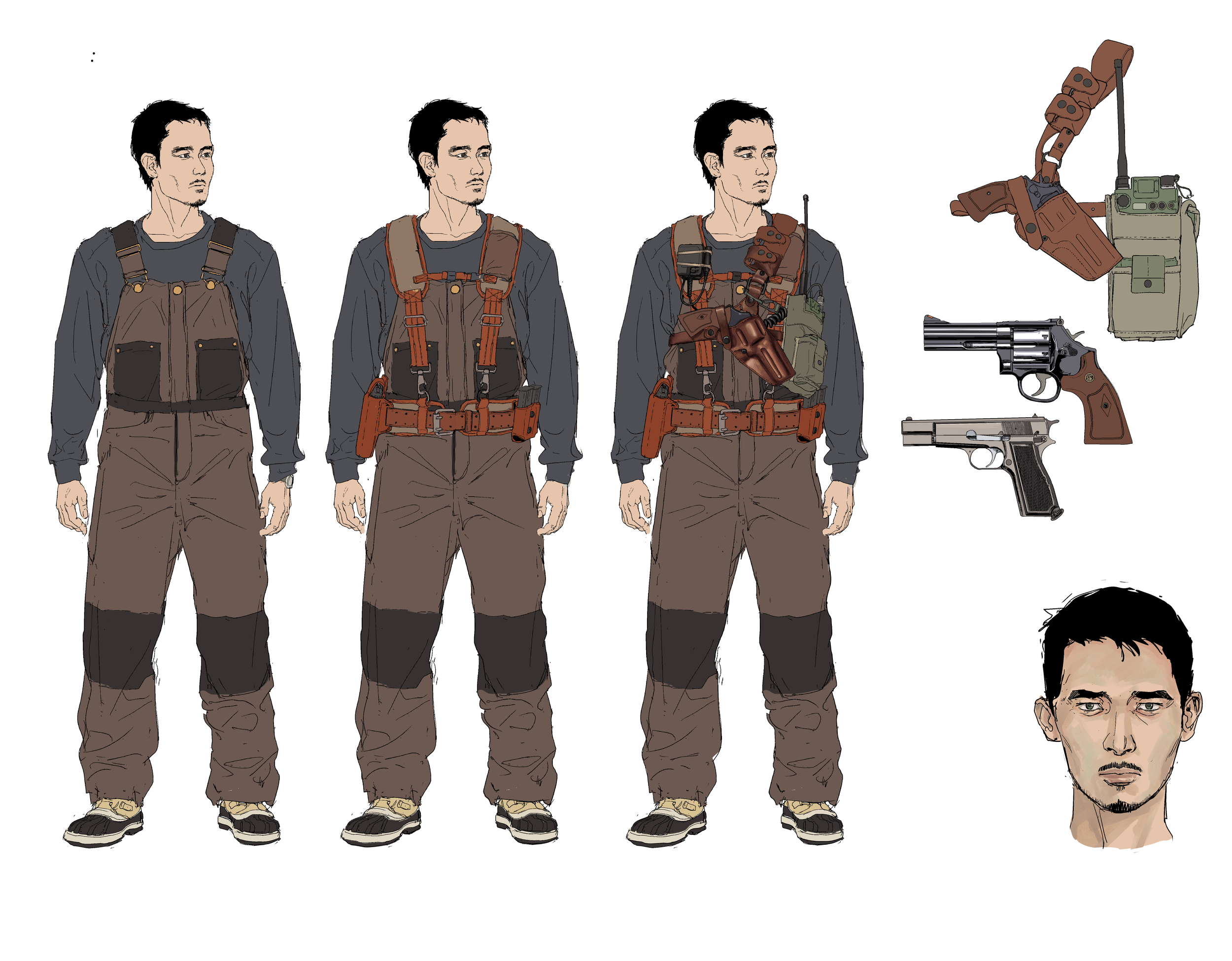
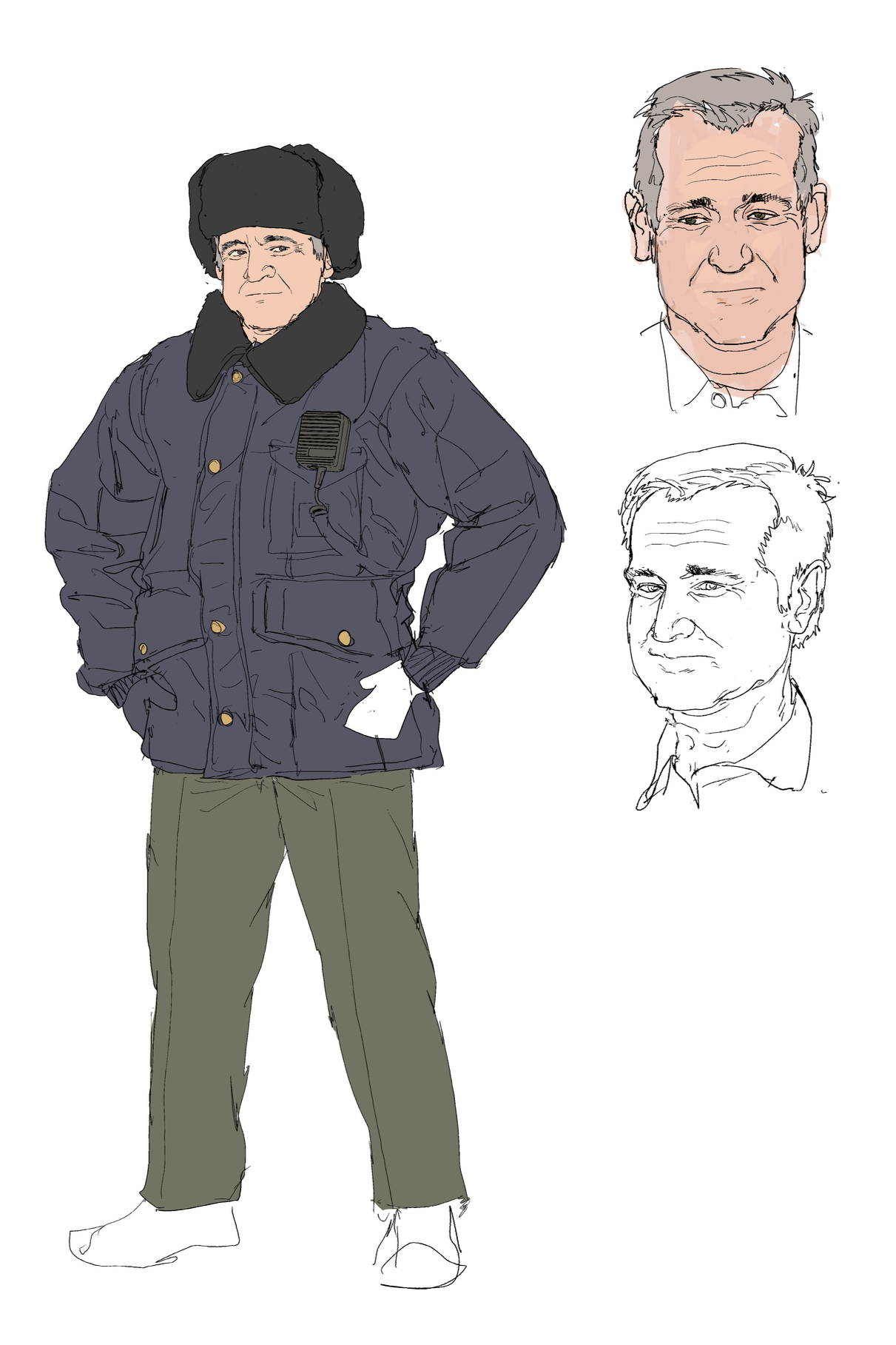
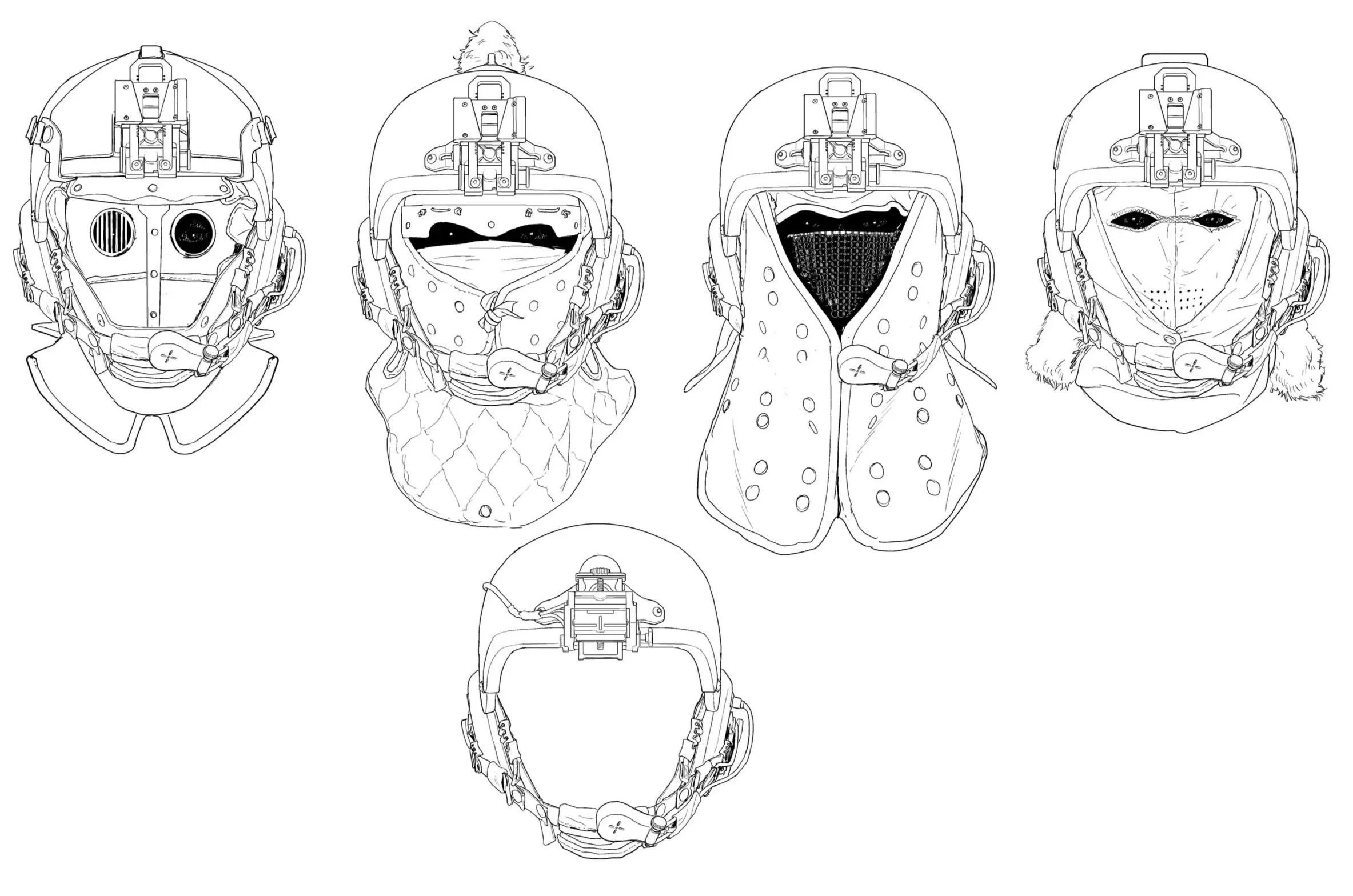
The concept development for Blushland extends beyond characters and environments into the world’s complete material culture. I designed fictional companies, logos, uniforms, equipment markings, documents, and specially ordered corporate watches to make each organization feel as though it existed long before the story began. These details establish hierarchy, history, and distinct institutional identities while giving the 2D and 3D production team a consistent visual system to build from.
3D work
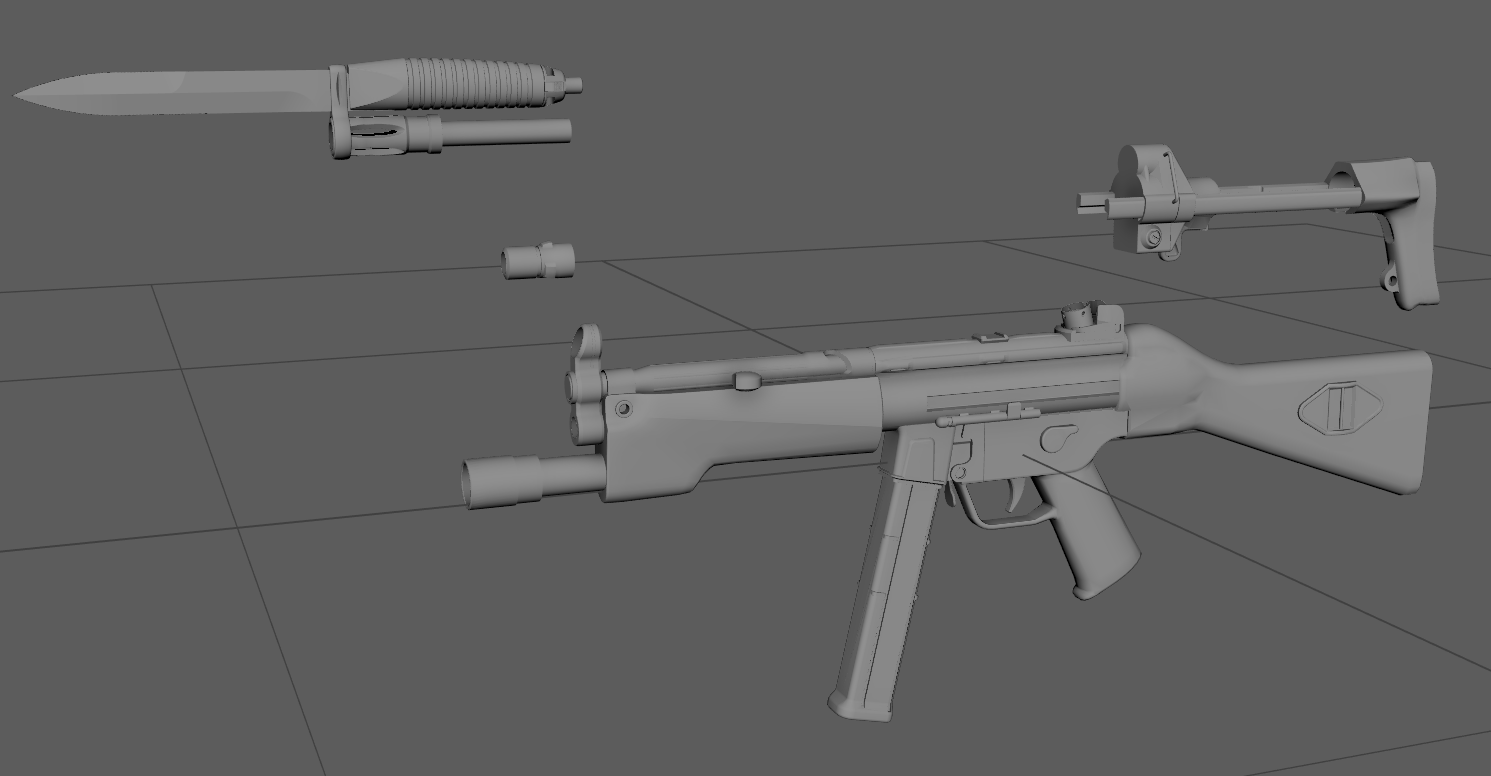
Because many of Blushland’s firearms, equipment, and environments were original designs, existing asset libraries alone could not meet the project’s needs. As Art Director, I translated each concept into a clear production brief for the 3D team, creating organized reference packs with multiple angles, functional details, and visual callouts. This removed guesswork, improved communication, and allowed artists to move from concept to finished model more efficiently. I also planned the asset library around modular, interchangeable components so models could be reconfigured and reused across future characters, scenes, and chapters.
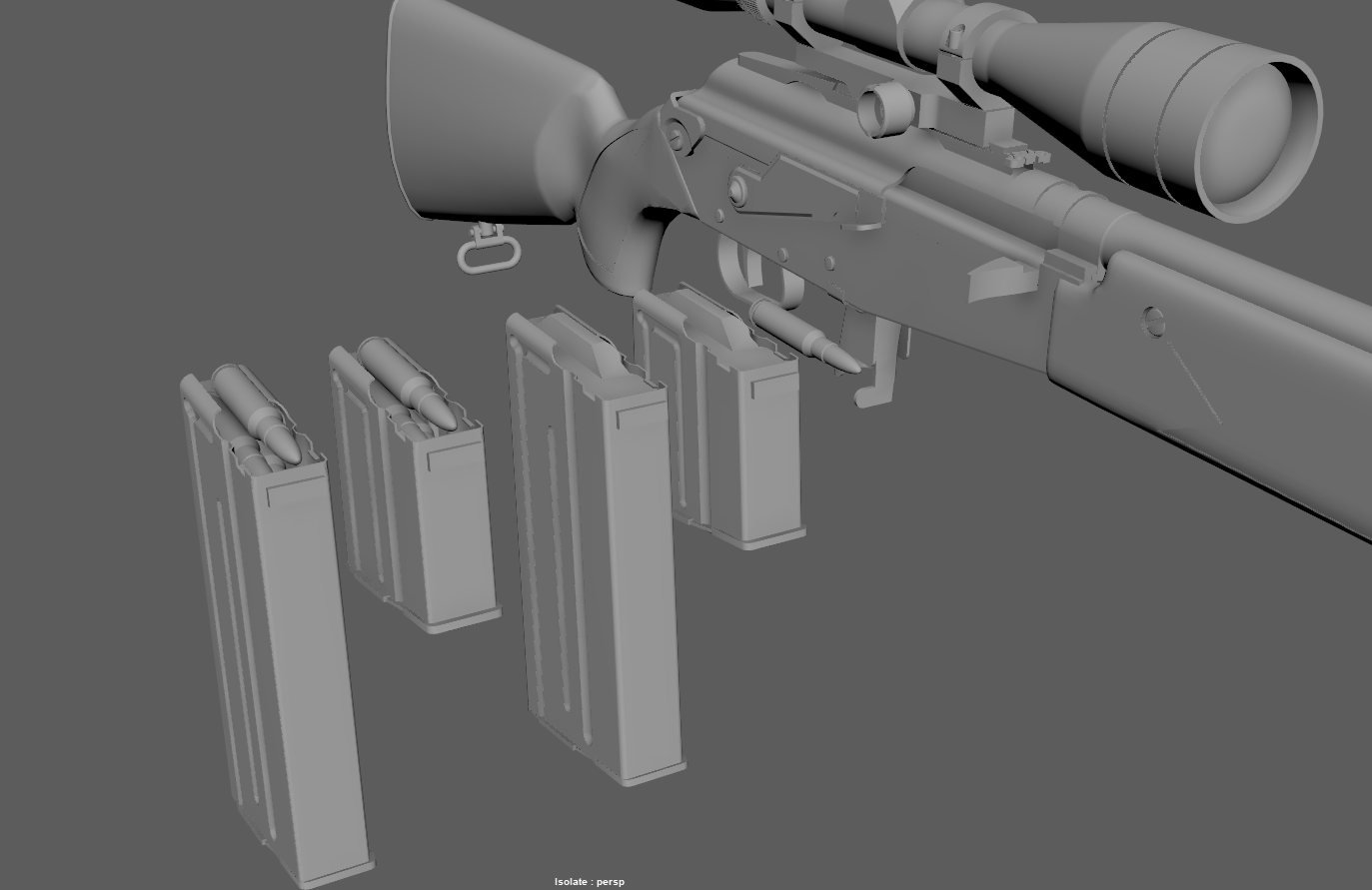
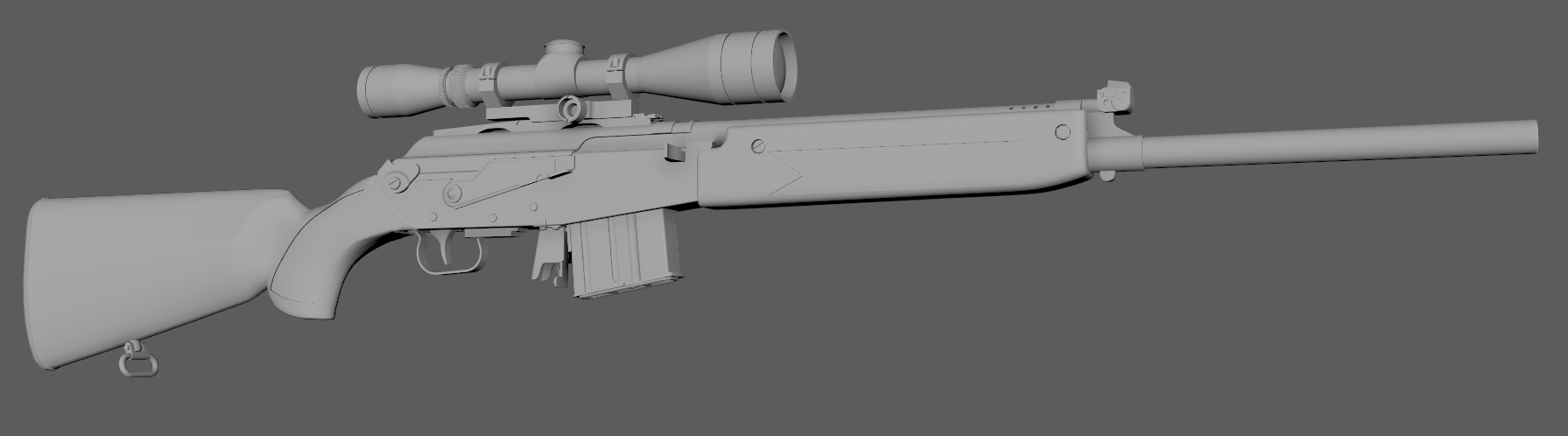
3D work by Yohan R.
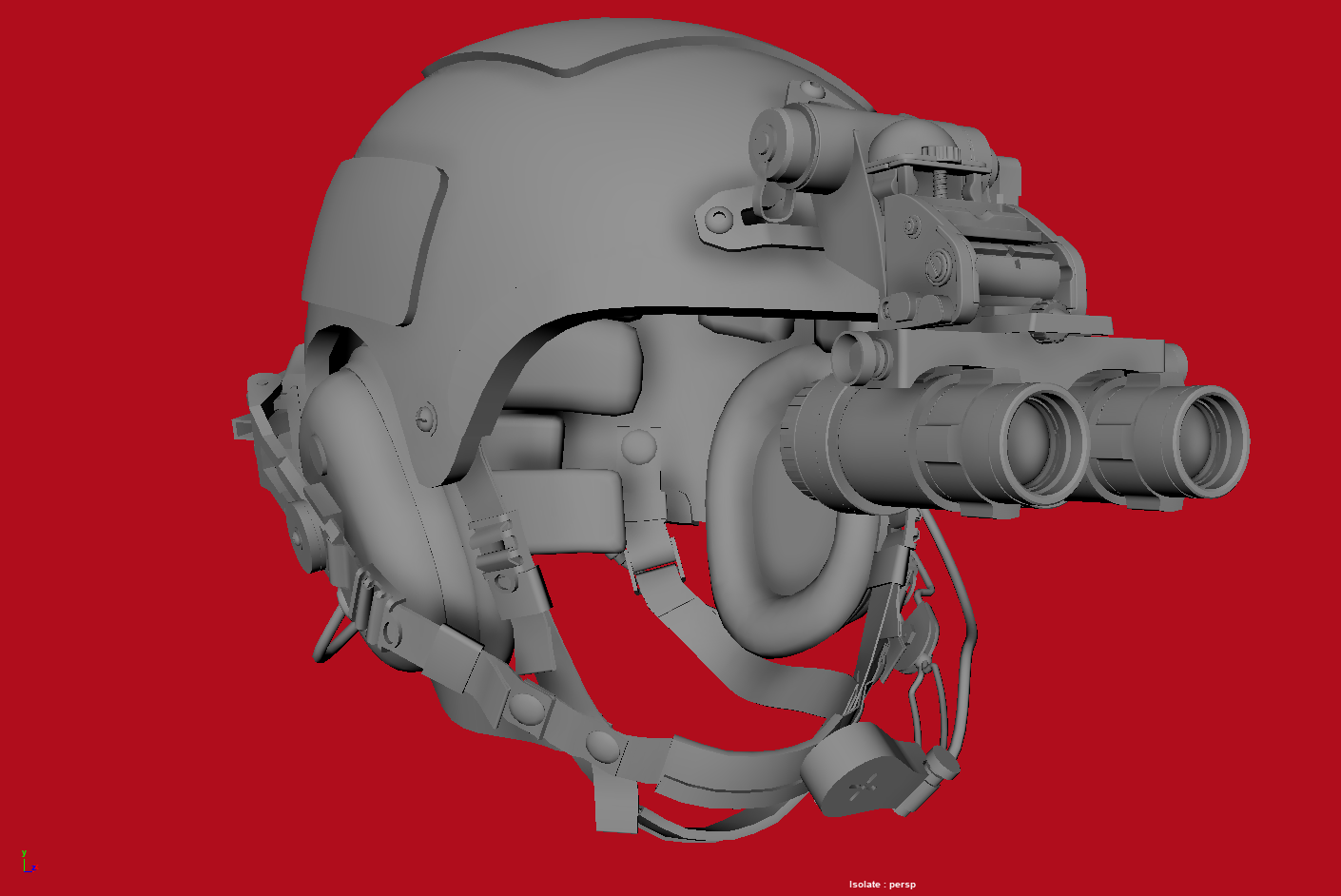
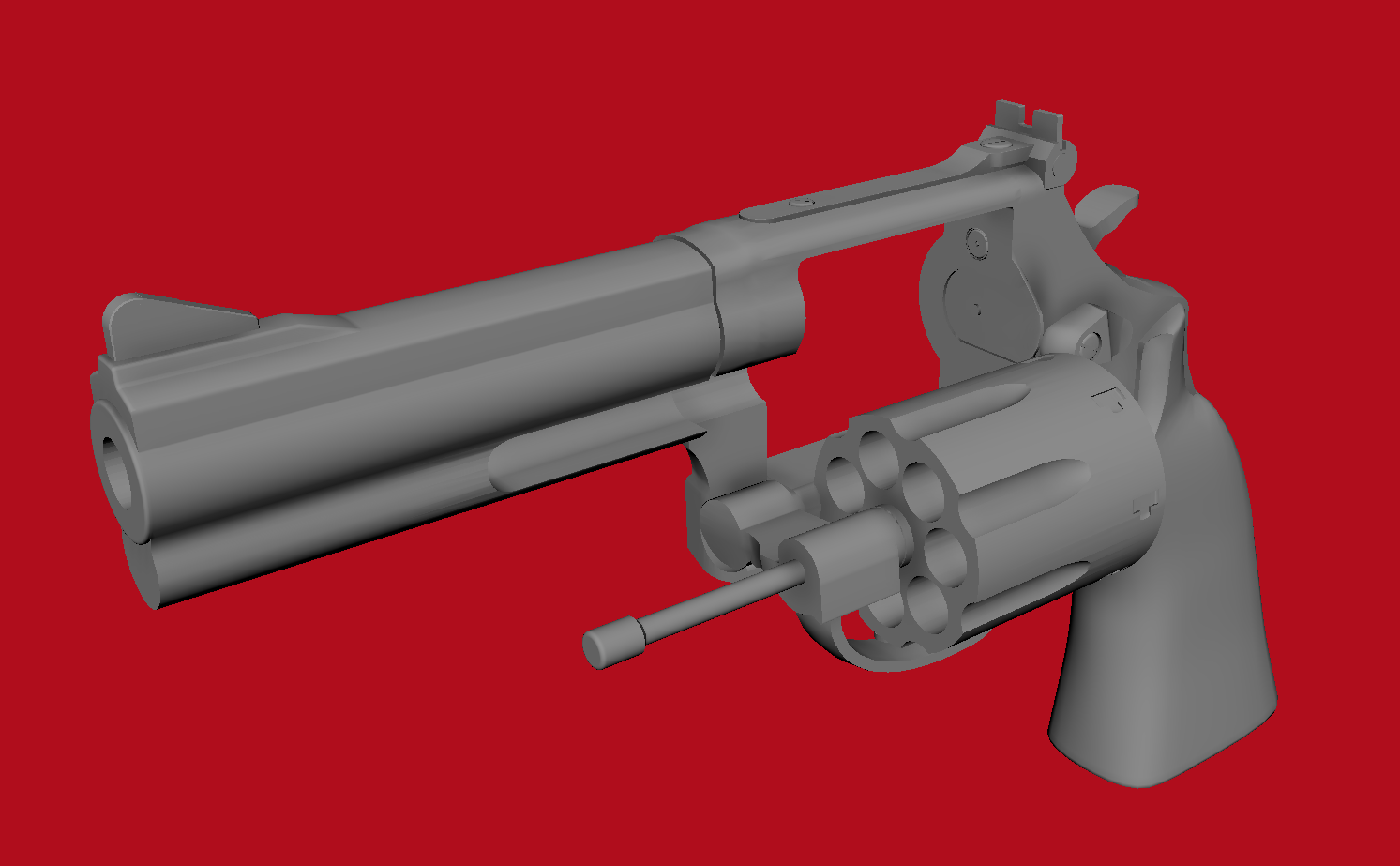
3d work by KOMODOR64
3D Environments
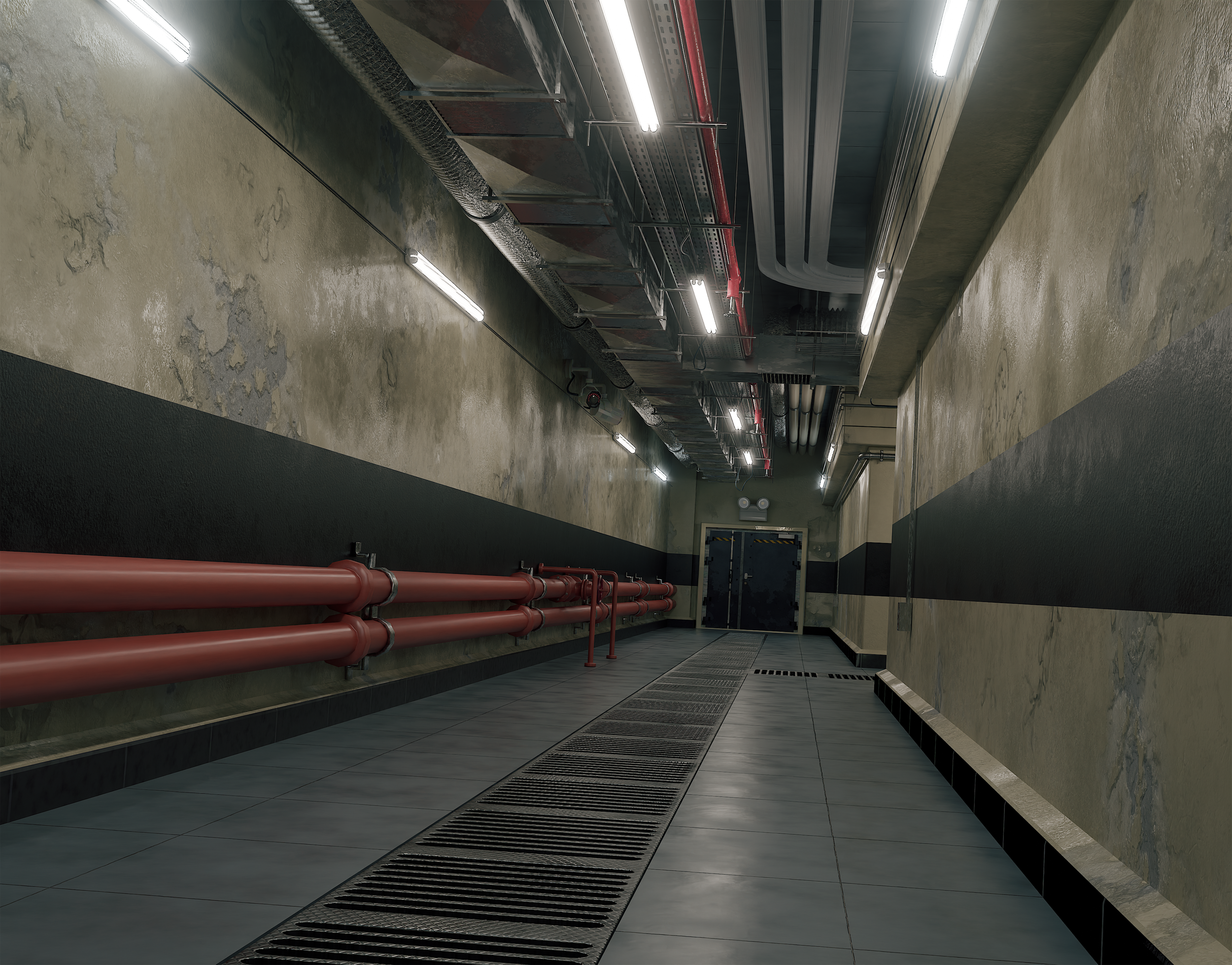
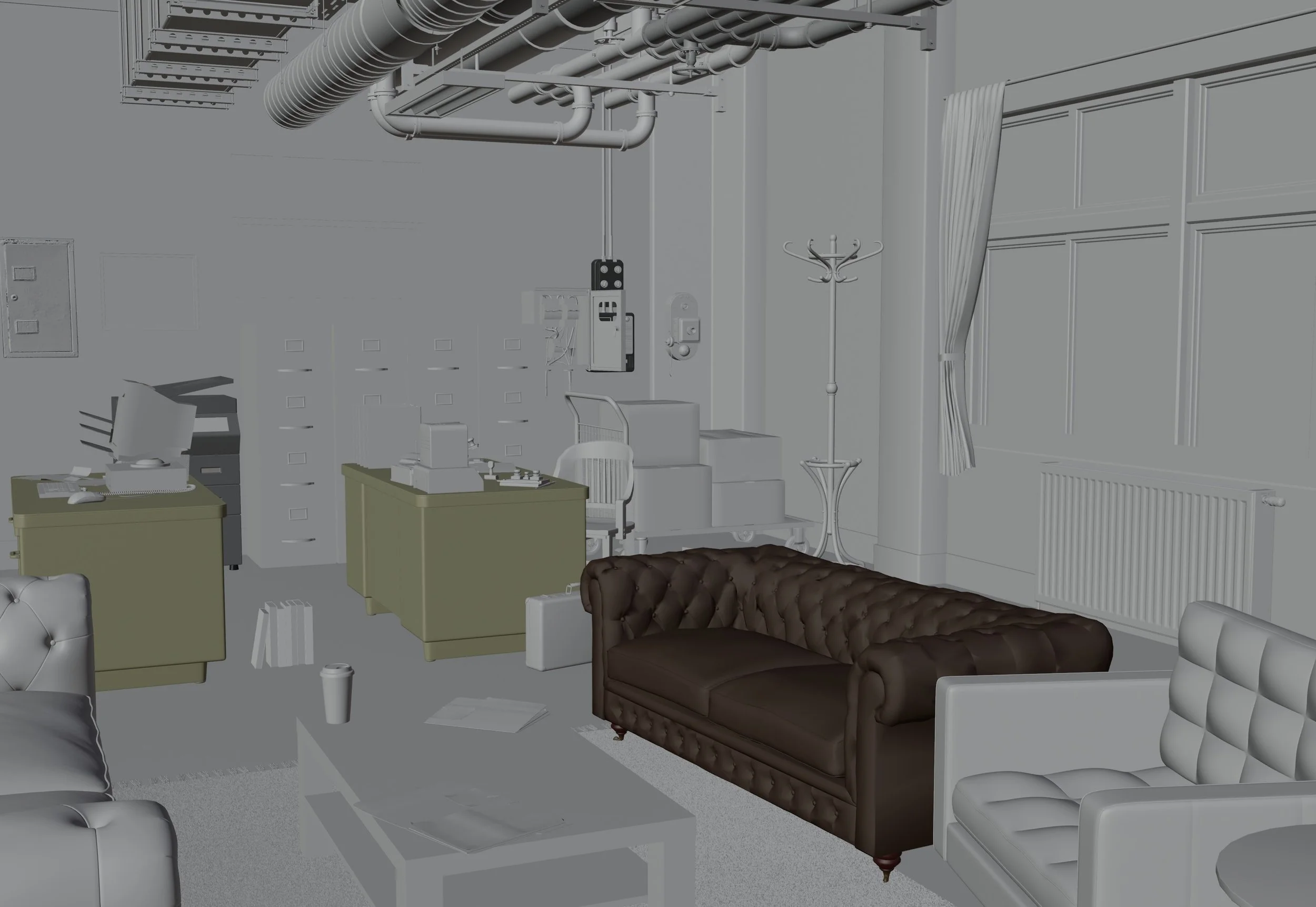
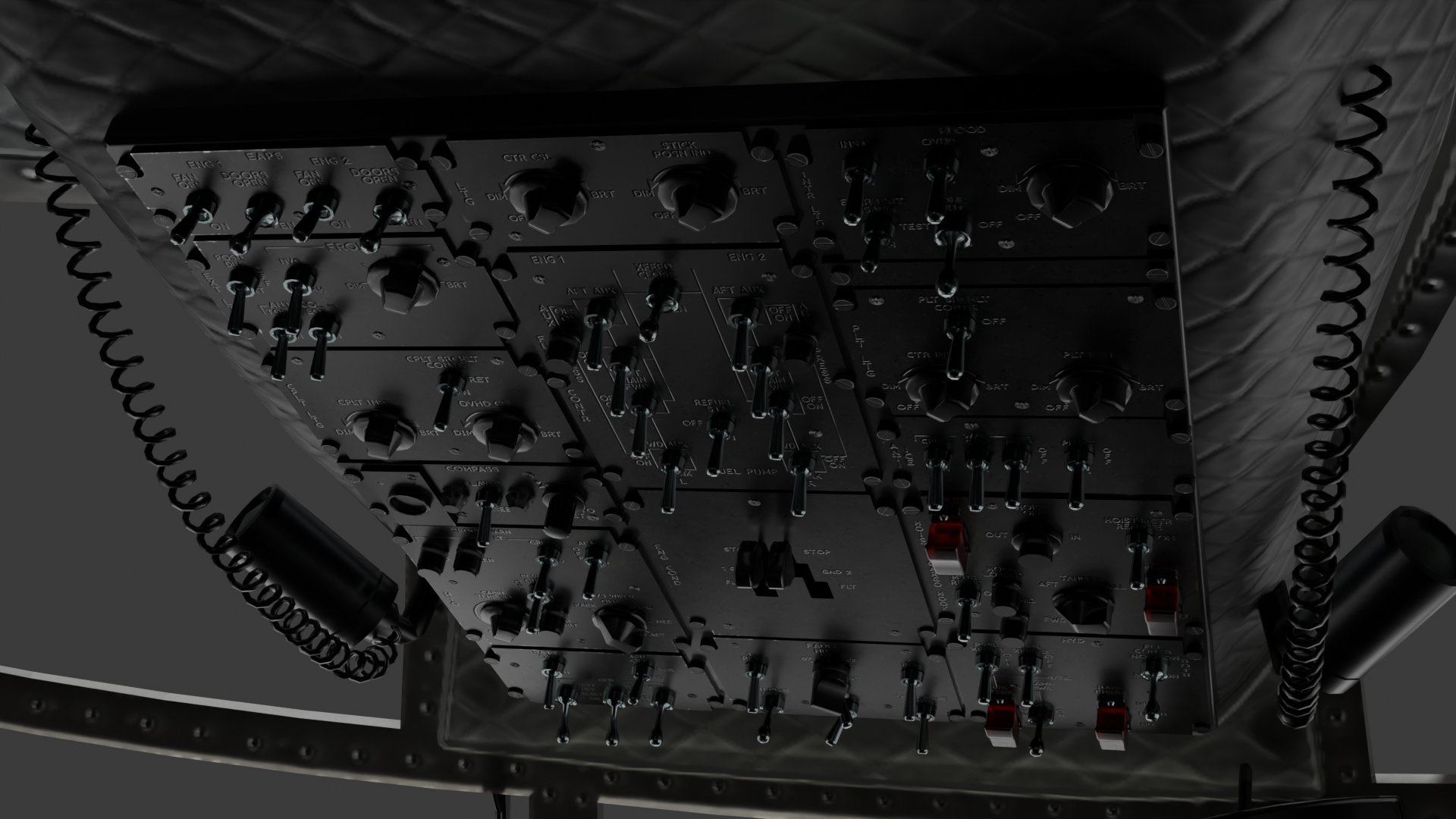
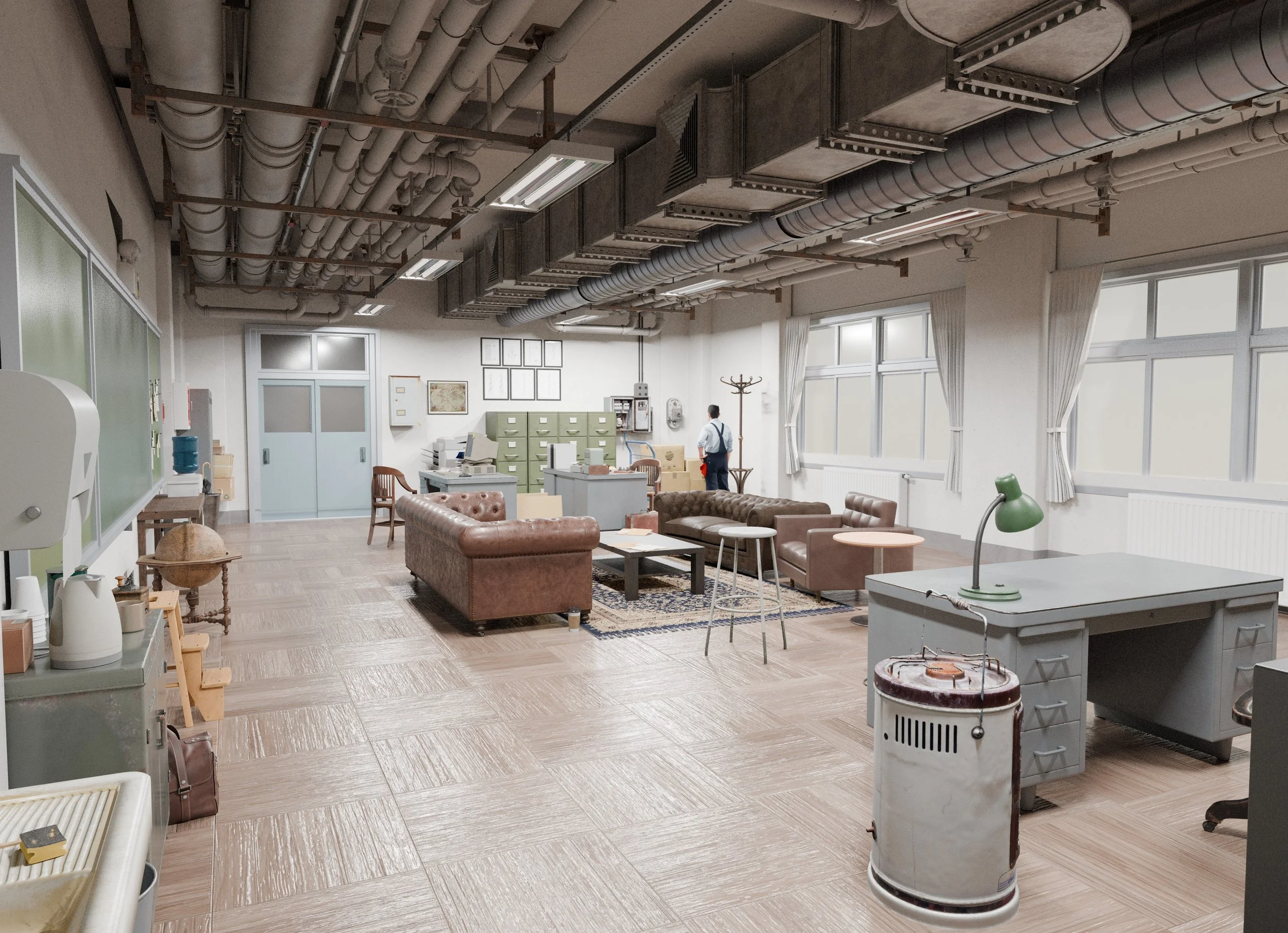
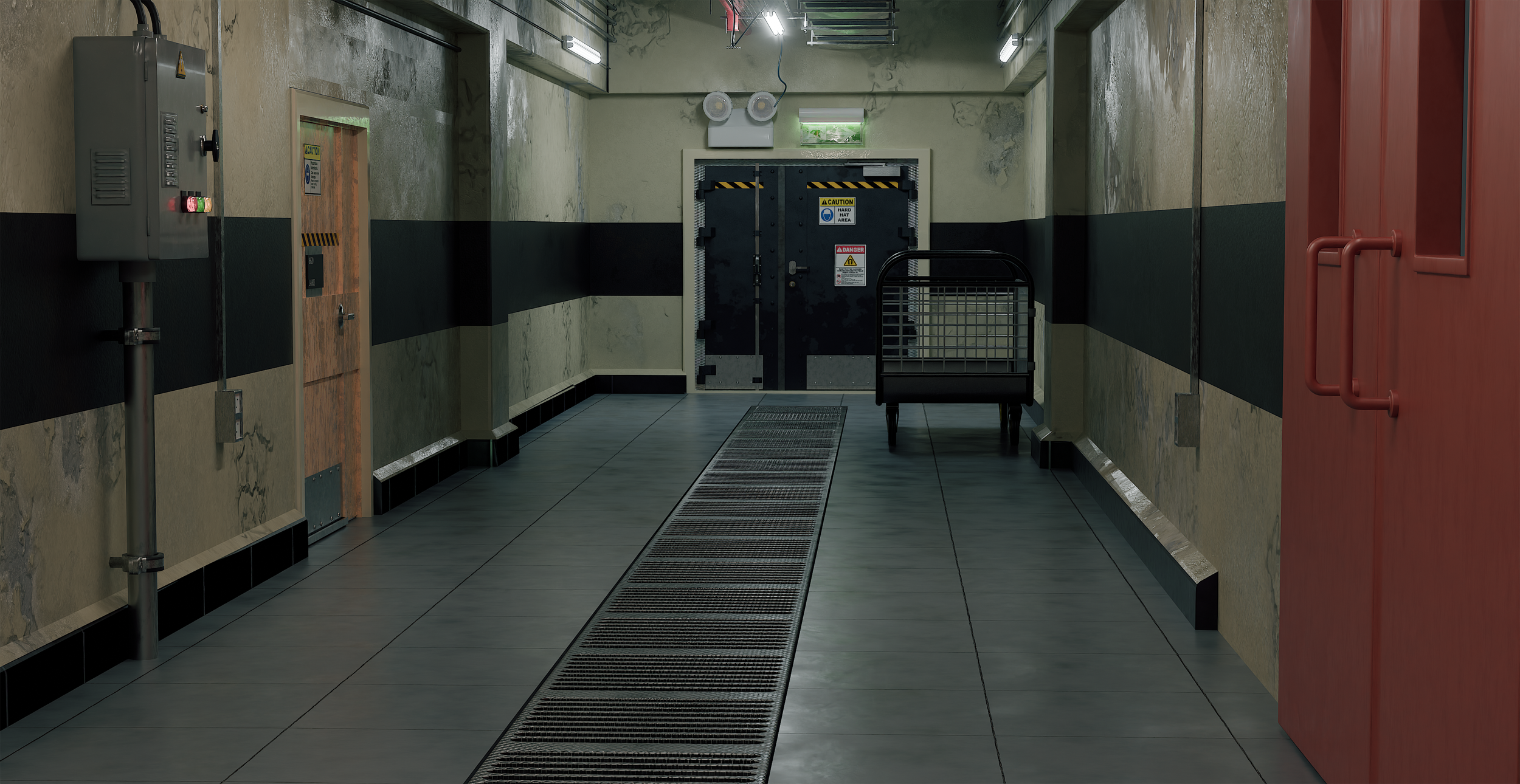
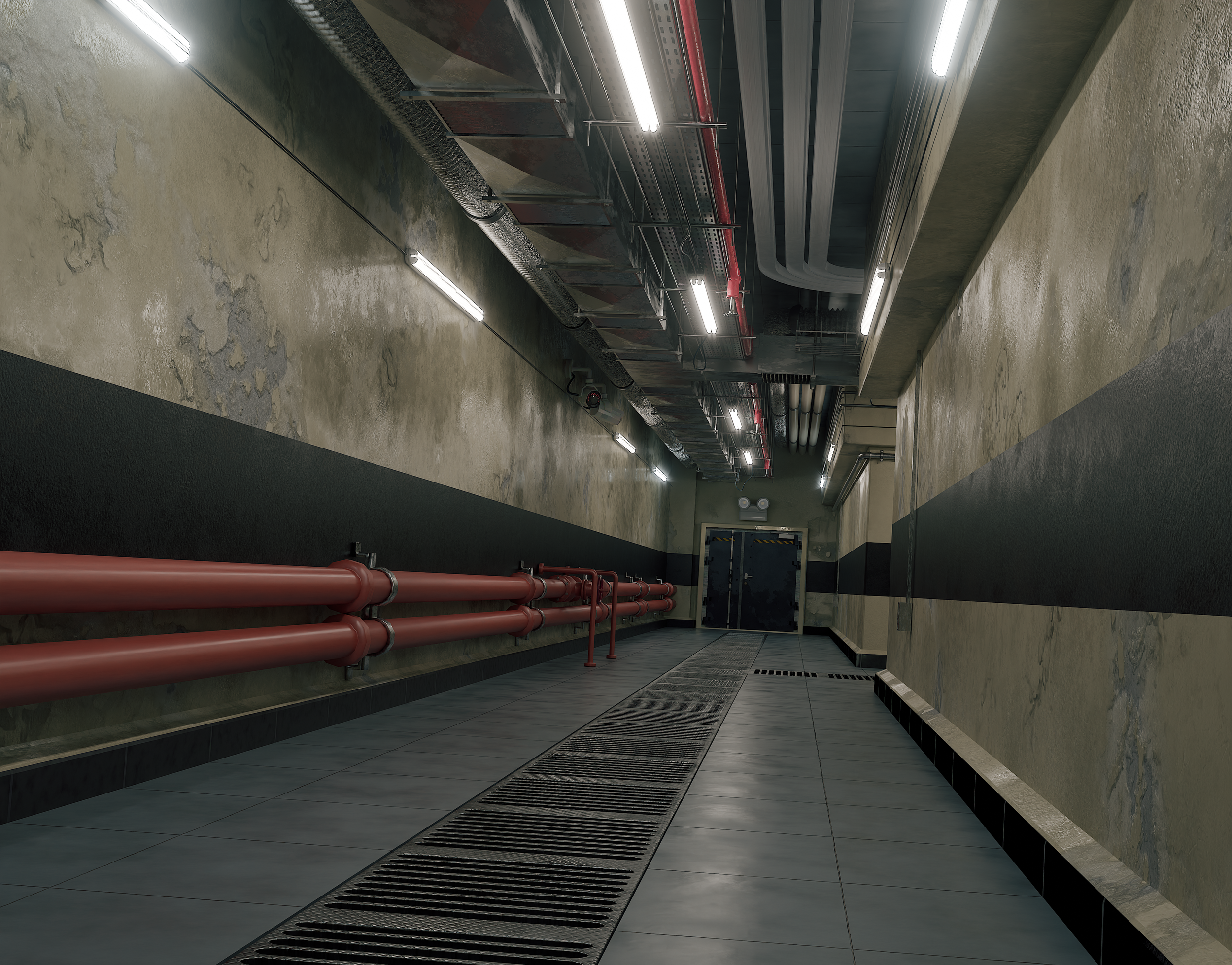
I also build many of Blushland’s 3D environments myself, translating my concept art into complete scenes through original modeling, premade assets, kitbashing, set dressing, material work, composition, and lighting. These environments allow me to establish atmosphere, test camera angles, plan character staging, and maintain spatial continuity before producing the final illustrated pages. By carrying the work from concept through 3D construction and final illustration, I ensure that the technical build remains faithful to the project’s intended visual direction.
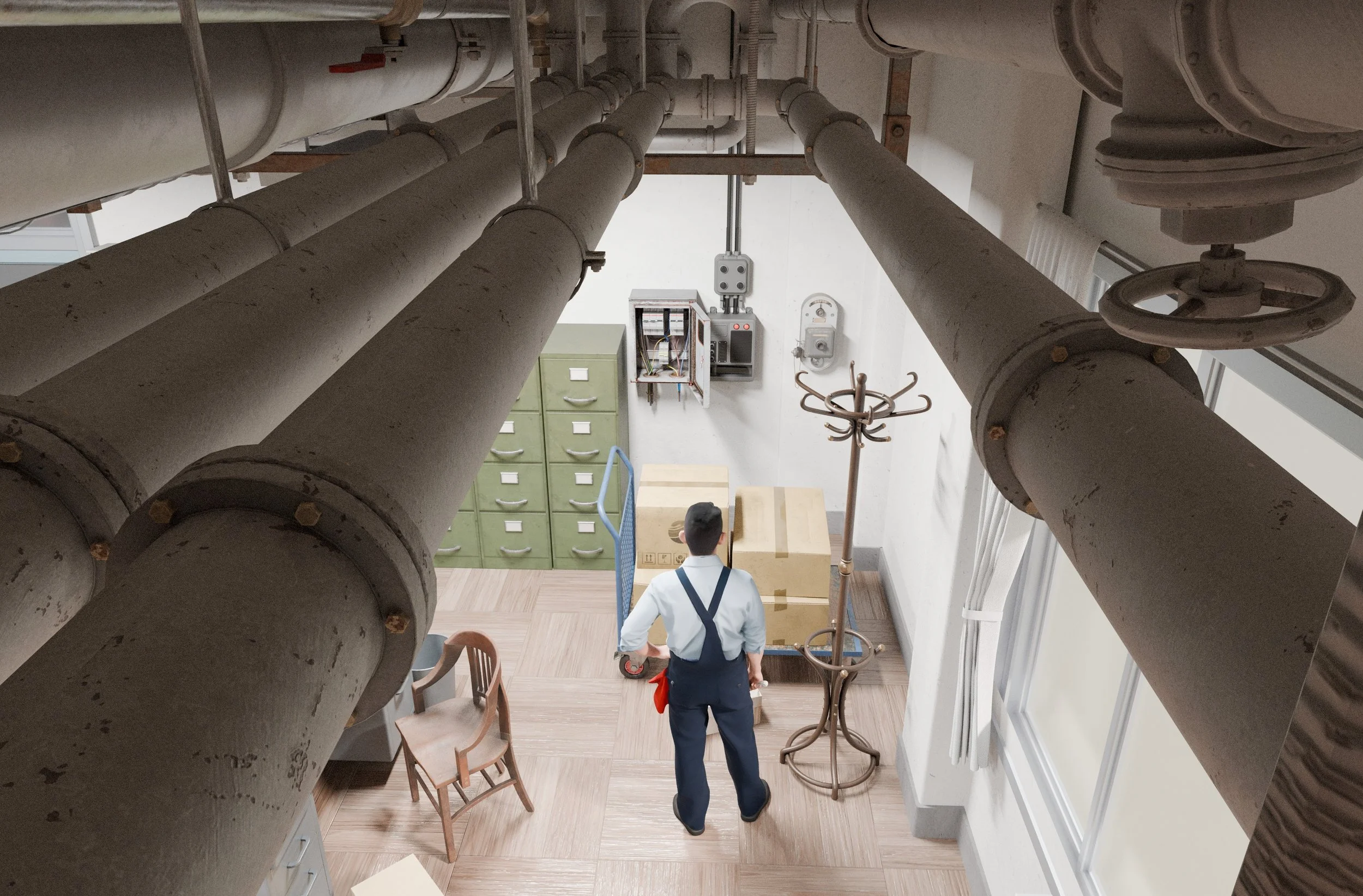
Process
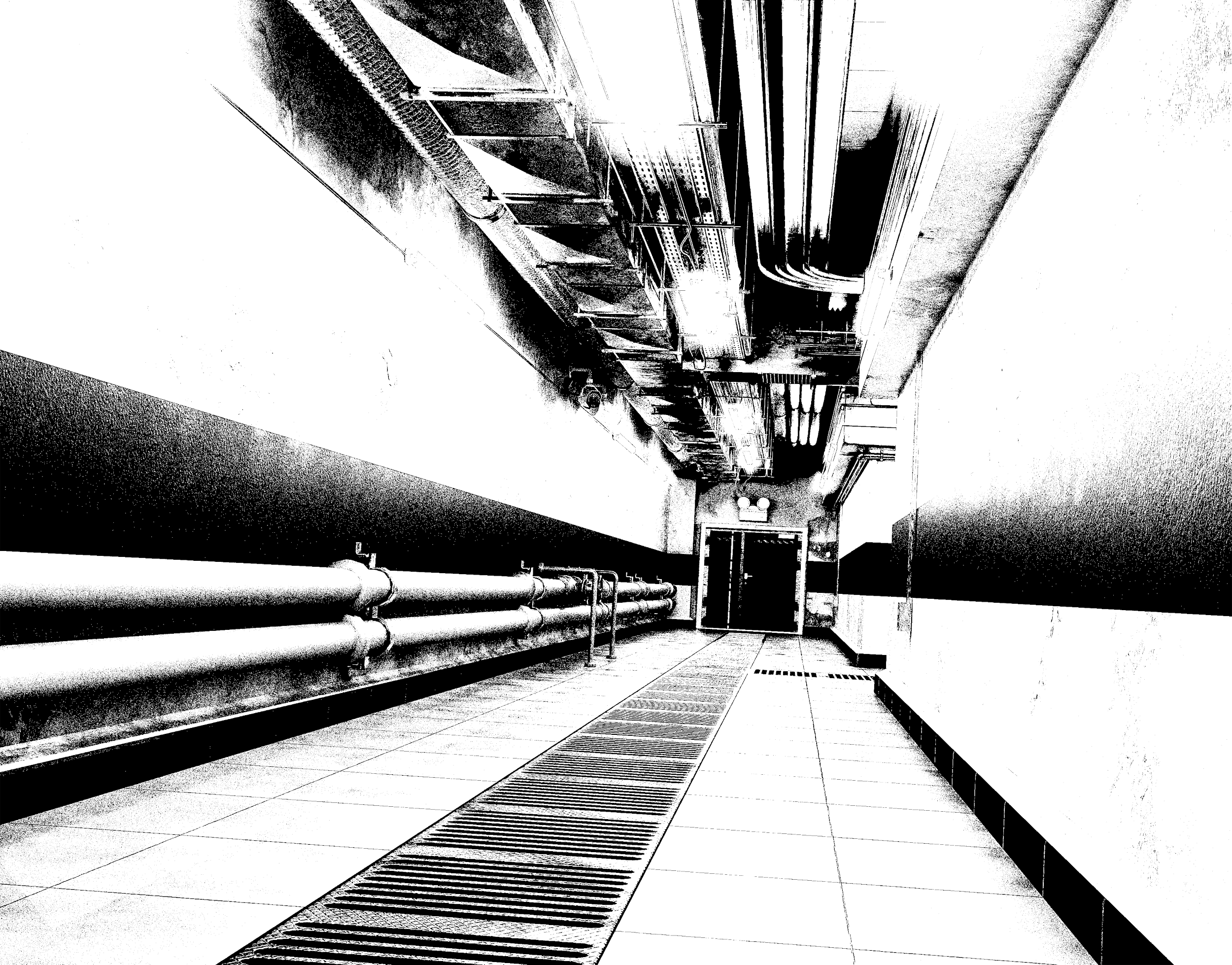
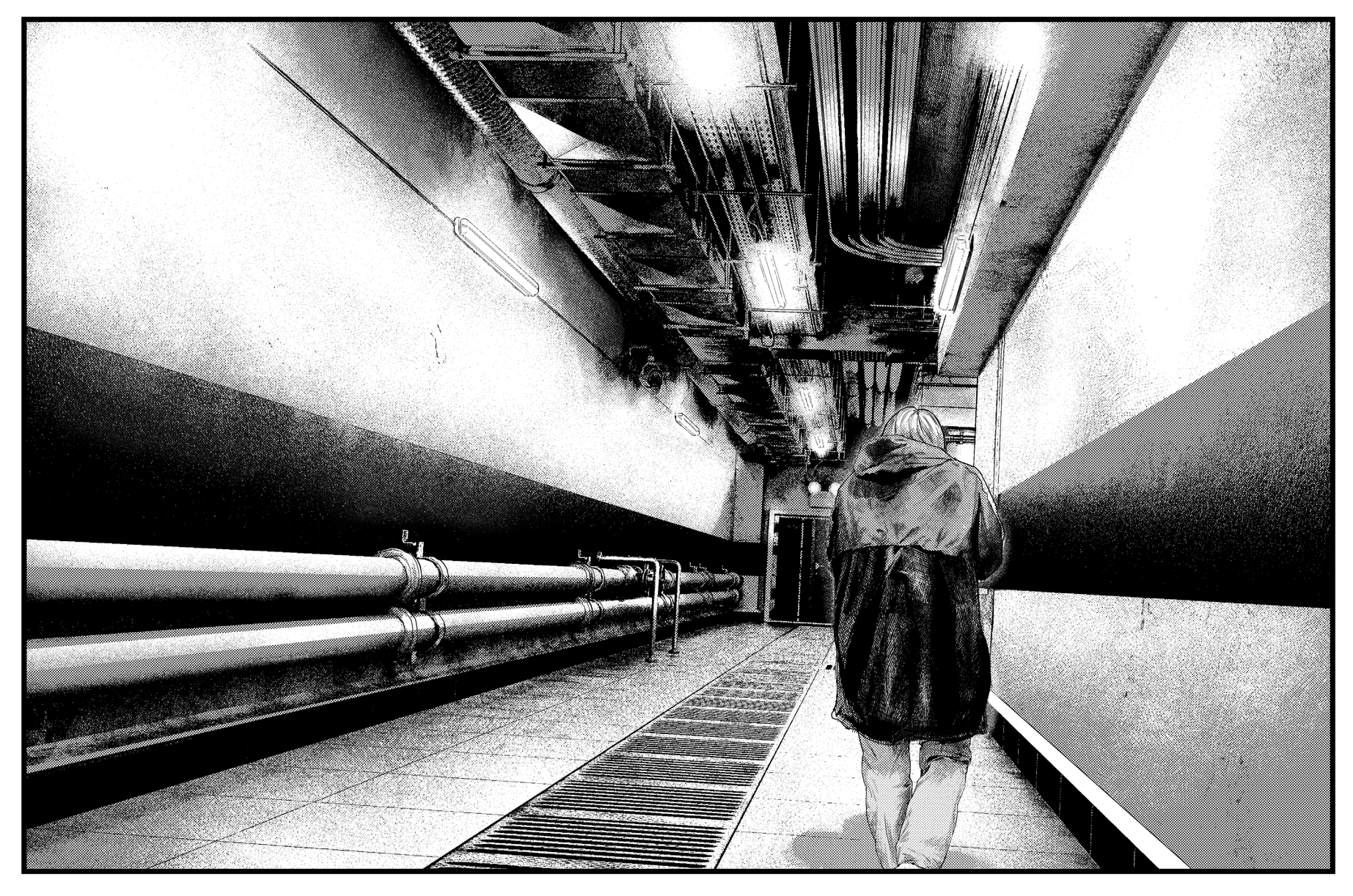
I established a hybrid background-production pipeline that begins with rendering 3D environments in Blender Cycles, followed by cleanup, tonal adjustments, and filtering in Photoshop. I then selectively ink areas that require additional detail before importing the finished background into Clip Studio Paint EX for use in the final pages. I documented each stage in a creative production guide, allowing me to onboard a 2D artist and transition the process while maintaining a consistent visual standard.